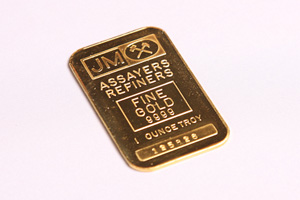
5 Tips for Selling Your Gold & Silver Jewelry
Many people invest in gold, silver, and platinum due to growing international uncertainty and the historically strong performance of precious metals. However, selling your scrap gold, silver, or platinum jewelry can also be a great way to get rid of unwanted pieces and earn extra cash on the side. And if the last several years have taught us anything, it’s that even gold doesn’t ALWAYS go up – and timing your sale right can make a real difference. It might be a savvy move to sell your precious metals, whether you need the money or not.
Many people make the mistake of going to any jeweler or cash-for-gold store, which leads them to underselling their pieces. Before selling anything of value, you want to do your research and ensure that you are prepared to negotiate for a fair deal. Of course, here at Express Gold Cash, we offer a 100% price-match guarantee that we pay the most, so you don’t have to worry about the scams you need to avoid online and with local shops. But if not, here are 5 must-follow tips if you want to get the most cash for your gold, silver, or platinum.
1. Know how many karats are in each piece of jewelry
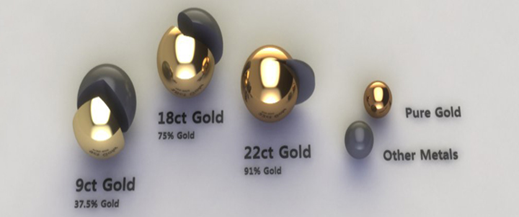
Knowing how many karats are in each piece of jewelry is an essential piece of knowledge when selling your gold. This will help you sell at the best price possible, and it will prevent dealers from trying to take advantage of your lack of knowledge. The first thing you need to know about karats is that the amount of karats is determined by the ratio of gold to other metals, where one karat equals 1/24 of pure gold by weight. If a piece of jewelry is less than 10 karats of gold, then it cannot be classified as gold jewelry.
Once you have determined how many karats each piece of jewelry has, you will want to group them by karats. Why? Because shady dealers may try to weigh all pieces together and offer you a price based on the lowest karat value. Plus, if you’re calculating the value of your gold before you go to the shop, you’ll have a better idea of what they are offering you for each piece.
For silver, look for a stamp of .925 (sterling silver) or .999 (fine silver). Platinum pieces are typically marked PT950 or PT900, indicating the percentage of pure platinum. Grouping and identifying these separately will ensure you’re quoted accurately for each metal type.
2. Know the actual value of each piece of jewelry you are selling
It is important to know the current market value for precious metals so that you can sell your pieces at the price they are worth. Not knowing the current market value is dangerous, as it can lead you to selling for far less than you deserve. You can find current spot prices easily online, at a site such as goldprice.org.
As of 2026, gold is trading near $5,300 per troy ounce, silver around $84 per ounce, and platinum around $2,200 per ounce. Once you know the spot price of your metal, its weight, and its purity, you can calculate its intrinsic value. Remember, no dealer will pay you the full spot price (refining costs money and they need to turn a profit), but our efficient business model allows us to take smaller margins than our competitors.
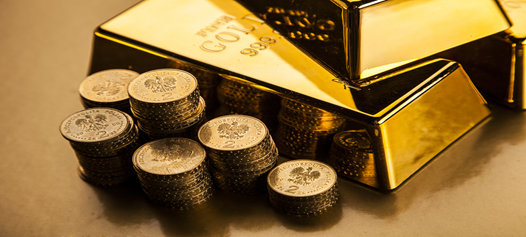
Another important factor is whether your jewelry is more valuable whole or melted. Name brand pieces and jewelry with genuine stones may be worth more intact than as scrap metal. That said, with gold prices near all-time highs, the intrinsic melt value is often greater than any collector premium. Silver and platinum have also seen significant price appreciation, making now a particularly compelling time to evaluate what you’re holding onto.
Not sure how to calculate the value? You can learn how to calculate the value of your scrap gold here.
3. Research potential buyers
Unfortunately, not all buyers are trustworthy. There are dealers who have no problem taking advantage of sellers’ lack of knowledge – and with precious metals prices at current highs, the stakes are higher than ever.
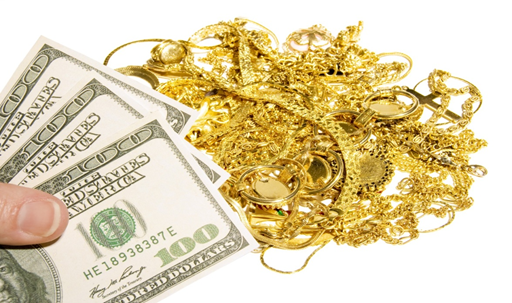
In addition to knowing the value of what you’re selling, research the buyer as well. Look for a buyer who has been in the business for a long time and has a large number of positive reviews on Google, Yelp, or other local review sites. This applies equally whether you’re selling gold, silver, or platinum.
Online Buyers
When evaluating online buyers, the same due diligence applies – if not more so, since you’ll be shipping items you can’t easily recover if something goes wrong. Search the company name alongside “reviews,” “complaints,” or “TrustPilot” for an unfiltered picture. Look specifically for feedback about pricing transparency and fast payment, not just general customer service.
Be skeptical of buyers who claim to “pay the most” without publishing their pricing methodology or offering a clear price-match policy. Also confirm they insure packages in transit, how much coverage is included, and whether you need to declare a higher value for larger shipments.
Before sending anything, check that you’ll have a meaningful window to accept or reject their offer – a reputable buyer won’t melt your items before you’ve approved the deal or had the chance to request a return (and they can’t, legally, either).
Of course, we have 11k+ Trustpilot reviews to go along with 650+ Google Reviews and over 25 years in the industry. We’ve made selling online safer than selling in person!
4. Get Multiple Offers
If you’re going to sell locally, make sure you check multiple sources and leverage the offers against each other. No matter how much research you do, having buyers compete for your business is one of the most reliable ways to get the best price.
Get a quote from us first at Express Gold Cash, then see if someone local can beat it. We’ll be very surprised if they can. Or get a couple quotes locally and then send it in to us to see how much more you get!
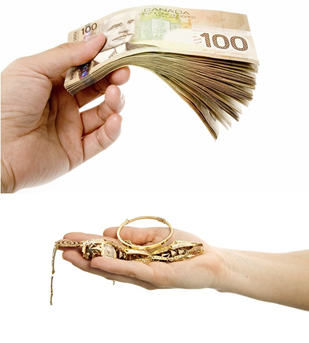
Although you may be eager to unload your unwanted jewelry and pocket some cash, don’t take the first offer. Reach out to multiple buyers – especially for silver and platinum, where pricing can vary significantly between dealers. You could also get your jewelry professionally appraised if you have a large or special collection. The appraisal fee may well be worth the peace of mind.
5. Make sure you protect yourself and your jewelry
As a seller, it is important to document your pieces, understand the buyer’s reimbursement policy, insure your items, and read the fine print before committing to anything.
When mailing or leaving your jewelry with a potential buyer, always ensure you have protection in case something is lost. The most important step is to take photos of each piece before you send or hand it over. With photos on file, you have proof of exactly what you submitted.
Ask about the buyer’s guarantee and insurance policy. Also have an appraisal on hand if possible, so that you have documentation of value in the event of a loss. At Express Gold Cash, we automatically insure your valuables for up to $100,000 – and if your items are worth more, we’ll insure the full amount.
If you choose to use our express pack and mail your jewelry, be sure to review the buyer’s terms and conditions around payment timing, holding periods before meltdown, and your deadline to accept or decline an offer. At Express Gold Cash, we require you to approve or deny your offer online before we ever send payment – no more surprise checks in the mail that you have to return if you change your mind.
Taking these steps will not only help you sell your gold, silver, or platinum at the best price possible, but will also protect you from untrustworthy buyers and potential loss. Become as informed as possible. And most importantly – be patient. Rushing to get rid of your jewelry could mean selling for a fraction of what it’s actually worth, especially in a market where precious metal prices are near historic highs.
Are you ready to get started? Request a free express pack now or learn more about the online precious metals buying process with Express Gold Cash!