What is Gold Purity and How is it Measured? Comparing 24k, 22k, 18k, 14k, 12k, and 10k Gold
Almost everyone has been to a jewelry store or gold shop at some point – and if you’ve looked at the pricing, you’ve probably seen the word karat. It’s one of the first things you’ll hear when buying or selling gold, and for good reason: the karat of a piece directly determines its value.
But what does it actually mean?
Simply put, karat is a measure of gold purity – specifically, the percentage of a metal alloy that is composed of actual gold. The higher the karat, the more gold it contains, and the more it’s worth.
In this guide, we’ll walk through everything you need to know about gold purity, how it affects pricing, and what to look for when buying or selling gold jewelry.
What Is a Karat?
A karat (abbreviated k or kt) is the unit used to measure the purity of gold on a scale of 24. Pure gold is 24 karats, meaning 24 out of 24 parts are gold. An 18k piece means 18 out of 24 parts are gold – or 75% gold – with the remaining 25% made up of other metals.
Note: Karat (for gold purity) is different from carat (a unit of weight for gemstones). They’re often confused, but they measure entirely different things.
How Do I Know the Purity of My Gold?
Most jewelry has the purity stamped on it in a small, discreet location – often on the inside of a ring band, the clasp of a necklace, or the back of a pendant. Common stamps include 10, 12, 14, 18, 22, and 24, each representing the karat measure.
If you can’t find or read the stamp, you’ll need a chemical acid test to determine purity. At-home testing kits are available, though for accuracy – especially before selling – it’s best to have it tested professionally. At Express Gold Cash, we test every piece we receive and provide a transparent quote based on the results.
The Most Common Gold Purities
Gold is produced and sold in fairly standard purity grades. Here’s what each one means in practice.
24 Karat (24k) – 99.9% Pure Gold
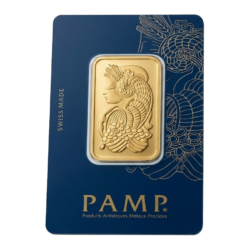
24k gold is as pure as it gets. Because it contains virtually no other metals, it has a rich, deep yellow color and is the most valuable form of gold by weight. It’s the standard for gold bars and bullion, making it ideal for investment purposes.
However, pure gold is also very soft and malleable. It scratches and bends easily, which makes it a poor choice for everyday jewelry. If you’re buying gold to wear, 24k is not practical.
22 Karat (22k) – 91.7% Pure Gold
22k gold is 91.7% gold with about 8.3% alloyed metals added for durability. It’s significantly stronger than 24k while still being quite high in purity, and it retains a vivid yellow color. That said, it’s still on the softer side and requires care to avoid scratching.
22k gold is worth approximately 91.7% of the spot price of pure gold.
18 Karat (18k) – 75% Pure Gold
18k gold contains 75% gold and 25% alloy metals. It strikes a strong balance between purity, appearance, and durability, which is why it’s the preferred choice for high-quality fine jewelry – including engagement rings, wedding bands, and luxury pieces.
Its deep yellow tone is one of its most distinguishing characteristics. 18k gold is worth 75% of the spot price of gold.
14 Karat (14k) – 58.3% Pure Gold
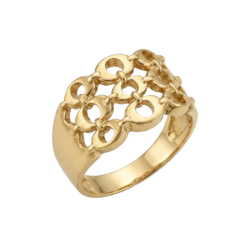
14k gold contains 58.3% gold and is widely considered the best option for everyday jewelry. Its higher alloy content makes it more resistant to scratching and wear than 18k or 22k, while still looking unmistakably like gold.
Rings, bracelets, and necklaces in 14k are extremely common, and the lower gold content makes it more affordable. If you don’t know the purity of a piece of gold jewelry you own, there’s a good chance it’s 14k. It’s worth 58.3% of the spot price of gold.
12 Karat (12k) and 10 Karat (10k) – “Discount Gold”
Anything below 14k is often called “discount gold.” These pieces contain less than half actual gold by weight: 12k is 50% gold, and 10k is just 41.7% gold. While they’re more durable due to the high alloy content, the lower purity also makes them more susceptible to tarnishing over time.
The value of 10k and 12k gold is significantly lower than many people expect. When you see headlines about gold prices, keep in mind that 10k jewelry is only worth about 41.7% of that figure.
How Much Is Your Gold Worth?
The formula for calculating the melt value of gold is straightforward:
Value = Weight (troy oz) × Purity × Spot Price
With gold currently trading at $4,155.68 per troy ounce (as of June 2026), here’s what 8 grams of gold jewelry would be worth at different purities. (8 grams equals approximately 0.2572 troy ounces.) 8g might be a large ring, pair of hoop earrings, a medium-thickness chain necklace, or even a thin bracelet.
| Karat | Gold Content | Value of 8g |
|---|---|---|
| 24k | 99.9% | $1,071.79 |
| 22k | 91.7% | $982.83 |
| 18k | 75.0% | $803.84 |
| 14k | 58.3% | $624.86 |
| 10k | 41.7% | $446.93 |
The karat difference between a 10k and 18k piece of the same weight represents a value difference of over $350 – which is why knowing your gold’s purity matters so much before buying or selling.
Is Purer Gold Always Better?
Not necessarily – it depends entirely on what you’re using it for.
For investment, higher is better. 22k and 24k gold hold the most value by weight and are the standard for coins, bars, and bullion.
For jewelry, the answer is more nuanced. Pure gold is too soft to hold up to daily wear. Mixed alloys make gold harder and more durable, which is why most jewelry sits in the 10k–18k range. For everyday pieces like rings or bracelets, 14k is typically the sweet spot – durable, affordable, and still distinctly golden.
To summarize the key trade-offs:
- Higher karat means more gold, more value, softer metal, deeper yellow color, and better tarnish resistance.
- Lower karat means less gold, less value, harder metal, and more durability for daily wear.
Colors of Gold
The color of gold is affected by which alloys are mixed in. 24k gold always appears in its natural warm yellow. Lower-purity golds can take on different hues depending on what metals are added:
- Rose or pink gold is made by adding copper, which gives it a warm pinkish hue.
- White gold is created with palladium or nickel, producing a silver-white appearance often used as a platinum alternative.
- Green gold is a rarer variety made by adding silver and zinc.
Selling Your Gold: What You Should Know
When you sell gold jewelry – whether it’s a broken chain, an old ring, or unwanted pieces – buyers price it based on its melt value: what the gold would be worth if melted down and refined to pure gold. The design, brand, or sentimental value of a piece generally doesn’t factor into the offer.
This is exactly why karats matter so much. A 14k ring isn’t worth the full spot price of gold – it’s worth 58.3% of it, based on actual gold content by weight.
At Express Gold Cash, we make the process simple and transparent: fully insured shipping, professional testing and appraisal, and a clear no-obligation offer based on actual gold content and current market prices.
Whether you have a single old ring or a collection of gold jewelry, understanding karats helps you know what to expect – and ensures you get a fair price. Visit expressgoldcash.com to request a free kit today.